Depression and Migraine: Breaking the Cycle for Better Health
Migraine is more than just a bad headache – it is a complex cyclical neurological condition with distinct symptomatic and asymptomatic phases, each requiring a different management approach.
By Migraceutics Editorial Team •
Reviewed by Dr. Anna Gyarmathy, PhD, MSc, MPH, NBC-HWC

Migraine is a major global health issue that affects millions of people every year. It is the second most common cause of disability in the world. For many people, this condition is much more than just a bad headache. It can affect your work, your family, and even your mood. Scientists have discovered a very strong connection between depression and migraine. If you live with one of these, you are more likely to deal with the other. Understanding how these two issues affect each other is the best way to start your journey toward feeling better.
Why Depression and Migraine Often Travel Together
Doctors describe the link between mental health and head pain as a “two-way street.” This means that each condition makes the other worse.
For example, living with constant pain and disability can make you feel very sad or distressed. At the same time, the stress and low mood from depression can cause migraine attacks to happen more often. This creates a difficult cycle that is hard to break without the right tools.
Research suggests that people with migraines are up to ten times more likely to experience anxiety compared to others. Additionally, those who have aura (visual signs like flashing lights) face a higher risk of mood disorders.
Scientists believe this happens because both conditions share common biological causes. They involve brain chemicals like serotonin and melatonin, which control both mood and pain. When these chemicals are out of balance, your brain becomes more sensitive to triggers.
The Impact of Stress and Weight on Depression and Migraine
Your body weight and stress levels also play a big role in the connection between depression and migraine.
Obesity is a known risk factor for more frequent migraine attacks. People with a high body mass index often have increased inflammation in their bodies. This inflammation can affect the brain and contribute to both mood problems and severe headaches.
As a result, individuals dealing with obesity, depression, and migraine together often feel the most affected. Stress and anxiety are also linked to fat storage and hormonal imbalance.
That is why it is important to manage all these factors together. Improving both physical and mental health helps your brain become more resilient. Simple habits like eating balanced meals and avoiding processed foods can reduce inflammation and support brain health.
Finding Phase-Specific Migraine Relief
Managing your neurological health requires a proactive approach. Since migraine is a cyclical condition with different stages, phase-specific migraine relief can be very helpful.
This means supporting your brain during every stage of the cycle. For example, the early premonitory stage often includes mood changes or fatigue. Recognizing these signs early allows you to act before the pain becomes severe.
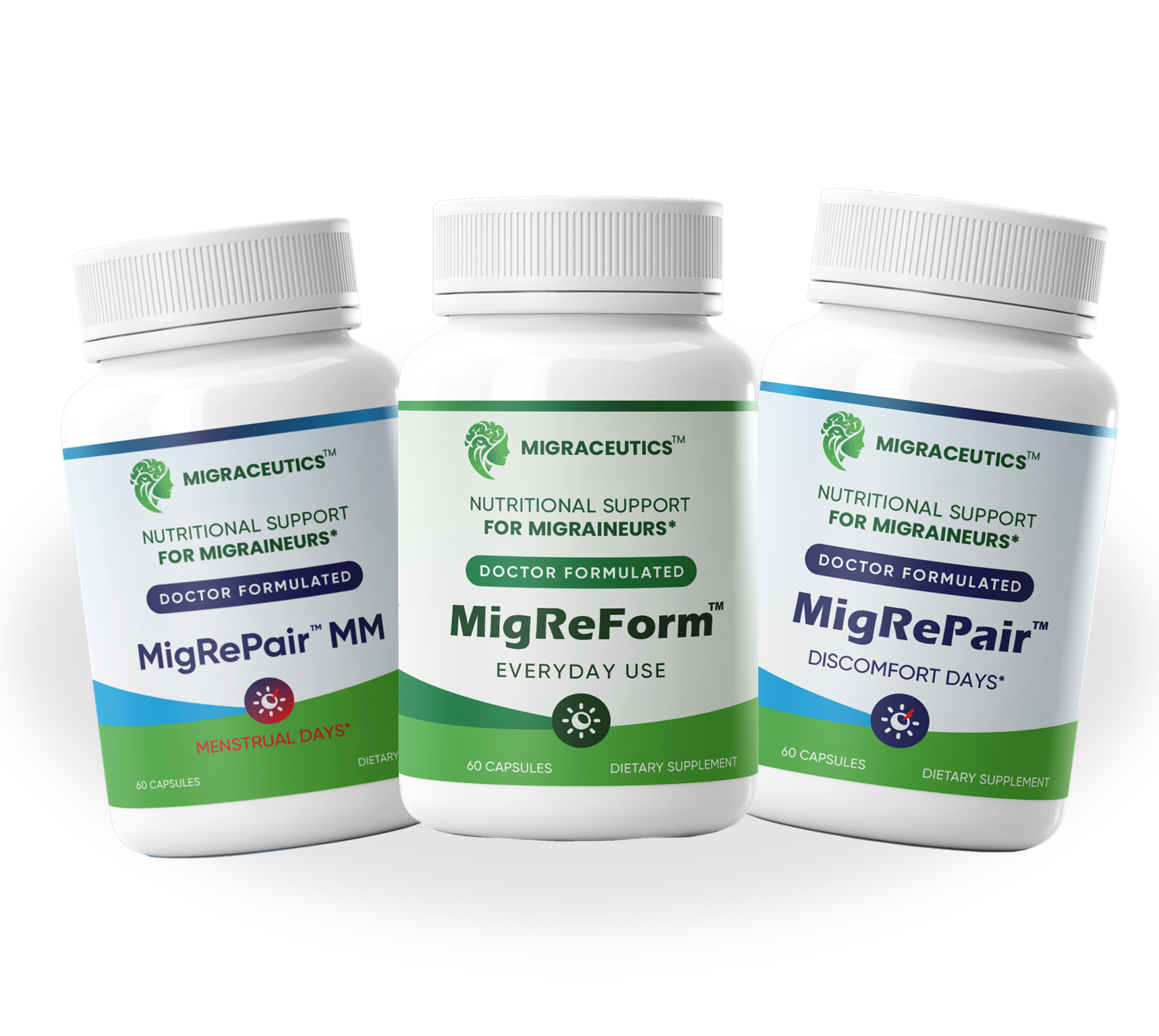
One helpful option is the Migraceutics system. It provides targeted support throughout the migraine cycle. For daily support, MigReForm helps raise your sensory threshold by providing essential vitamins and minerals.
Reclaiming Your Quality of Life
Breaking the cycle of depression and migraine takes time, but it is possible.
You can start by focusing on simple mental wellness practices like mindfulness and relaxation. These techniques help reduce stress and allow your brain to better manage pain signals.
Lower stress levels mean fewer chemicals that trigger sensitivity in the brain. Over time, this can reduce both migraine attacks and mood symptoms.
In conclusion, mental health and physical pain are closely connected. By adopting a holistic approach that includes healthy habits and targeted support like Migraceutics, you can build a stronger and more balanced nervous system.
You do not have to let depression and migraine control your life. With patience and the right strategies, you can move forward with confidence and improved well-being.
About the Reviewer – Dr. Anna Gyarmathy, PhD, MSc, MPH, NBC-HWC
Dr. Anna is a researcher, author, and founder of Migraceutics. She holds a PhD summa cum laude and advanced degrees in biomedical fields. She specializes in migraine education, nutritional interventions, and evidence-based lifestyle strategies. Her work focuses on translating scientific research into practical guidance for people living with migraine.
Migraceutics: The One and Only Migraine Phase-Specific Dietary Supplement
Migraceutics is the only phase-specific migraine supplement – supporting each stage of migraine with targeted formulas.
- Between migraines (interictal phase) and during migraines (migraine phase): MigReForm fortifies the nervous system daily
- During migraines (migraine phase): MigRePair supports symptom relief
- Menstrual migraine: MigRePair MM from Day 21 to Day 5 supports hormonal balance and symptom relief
Migraceutics: comprehensive, tailored relief surpassing one-size-fits-all supplements.