Acupuncture and Migraine: Does it Really Work?
Migraine is more than just a bad headache – it is a complex cyclical neurological condition with distinct symptomatic and asymptomatic phases, each requiring a different management approach.
By Migraceutics Editorial Team •
Reviewed by Dr. Anna Gyarmathy, PhD, MSc, MPH, NBC-HWC
If you have ever felt like an invisible hammer drill was pounding against the side of your head, you know that a migraine is much more than “just a headache.” For many people, these attacks are part of a cyclical neurological condition that disrupts school, sports, and time with friends. While many people turn to pills like ibuprofen or triptans, an ancient treatment is gaining a lot of attention in the modern medical world: acupuncture. But does Acupuncture as a migraine treatment method actually work? Let’s dive into what the science says.
What is the History of Acupuncture and Migraine Treatment?
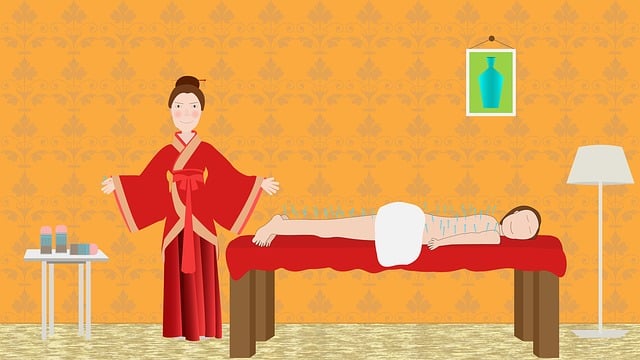
Acupuncture is a traditional treatment that has been used for over 2,000 years. It involves placing very thin needles into specific spots on the body. Some modern versions, called electroacupuncture, even use a tiny bit of electrical stimulation to help the process along.
While the idea of needles might sound a little scary, it is now a very popular treatment in Western countries. Many people find it to be a gentle way to manage pain without the “cloudy” side effects that can come with migraine medications.
Is Acupuncture for Migraine Supported by Science?
According to medical research, the answer is a strong yes. Studies show that acupuncture is “non-inferior” to proven drugs. That is a fancy way of saying it works just as well as many common migraine medications.
Even more impressive, in “head-to-head” trials against a first-line prevention drug called propranolol, acupuncture was actually better at reducing the number of attacks. It also had fewer side effects than the medication. Researchers found similar results when they compared it to other common drugs like topiramate. Studies show that acupuncture reduces the number of headache days you have and how much they hurt.
How Acupuncture Helps Migraine Care
One of the best things about acupuncture is that it doesn’t just help with the physical pain in your head. It has also shown effectiveness against anxiety and depression.
These are common “comorbidities”—extra health problems—that often bother people who suffer from frequent headaches. By helping the mind stay calm and reducing stress, acupuncture addresses the whole person rather than just the pain.
Positive Effects on the Brain
You might wonder how a few tiny needles can stop a massive headache. Scientists believe acupuncture helps fix “broken” pain pathways in the brain.
Think of a migraine as the brain’s “wiring” becoming way too sensitive or overreacting to things like bright lights or weather changes. Acupuncture works as a type of neuromodulation. This means it helps regulate the nervous system and changes how the brain sends pain signals. It helps raise your sensory threshold, making you more resilient against common migraine triggers.
Using Mindfulness to Improve Success
While acupuncture works on the body, science suggests that pairing it with a “mental diet” can make it even more effective. A mental diet is a set of practices, like mindfulness and meditation, that help calm the mind.
The “migraine brain” can actually “learn” pain over time, which makes the attacks feel more intense. Mindfulness and relaxation techniques help the brain “unlearn” this pain. These methods are considered just as effective as some medical treatments. When you combine the physical relief of acupuncture with the mental strength of mindfulness, you are giving your body a much better chance to stay healthy.
Conclusion
For many “migraine warriors,” acupuncture as a migraine treatment is a powerful, evidence-based tool. It is often as effective as medicine but comes with fewer side effects. If you are looking for a natural way to lower how often you get headaches, the science shows this combination truly works.
Important Note: As always, if you are struggling with migraines, it is essential to talk with a doctor before starting any new treatment. But with ancient wisdom like acupuncture and modern tools like mindfulness, there is a lot of hope for a migraine-free future!
About the Reviewer – Dr. Anna Gyarmathy, PhD, MSc, MPH, NBC-HWC
Dr. Anna is a researcher, author, and founder of Migraceutics. She holds a PhD summa cum laude and advanced degrees in biomedical fields. She specializes in migraine education, nutritional interventions, and evidence-based lifestyle strategies. Her work focuses on translating scientific research into practical guidance for people living with migraine.
Migraceutics: The One and Only Migraine Phase-Specific Dietary Supplement
Migraceutics is the only phase-specific migraine supplement – supporting each stage of migraine with targeted formulas.
- Between migraines (interictal phase) and during migraines (migraine phase): MigReForm fortifies the nervous system daily
- During migraines (migraine phase): MigRePair supports symptom relief
- Menstrual migraine: MigRePair MM from Day 21 to Day 5 supports hormonal balance and symptom relief
Migraceutics: comprehensive, tailored relief surpassing one-size-fits-all supplements.