Pediatric Migraine 1: Diagnosis and Management for Your Child
Migraine is more than just a bad headache – it is a complex cyclical neurological condition with distinct symptomatic and asymptomatic phases, each requiring a different management approach.

When a child feels severe head pain, it can turn their whole world upside down. Pediatric migraine is a common condition that makes life difficult for about 8% to 10% of kids and teens. Many parents think only adults get migraines, but these painful episodes often start in childhood. Before puberty, boys and girls get them at about the same rate. However, once puberty starts, the number of girls who get them jumps way up. By age 17, nearly 23% of girls have had at least one attack. You must understand how doctors find and treat this condition so you can help your child get back to their normal life.
How Doctors Reach a Pediatric Migraine Diagnosis
Doctors diagnose migraines in children differently than they do in adults. Children often find it hard to describe their pain, and their symptoms can look strange. For instance, adults usually feel pain on just one side of the head, but children often feel “bilateral” pain. This means the headache hurts on both sides at the same time. Also, these attacks usually end much faster. A child’s episode might only last one hour, while an adult might suffer for days.
Physicians mainly reach a diagnosis by looking at a child’s medical history. They check the family tree because 70% of kids with this condition have a relative who also has it. Doctors follow special rules from the International Classification of Headache Disorders to track how long headaches last and if they cause nausea or light sensitivity. Most of the time, doctors don’t need fancy brain scans like MRIs. They only order those tests if they feel confused about the cause or worry about other brain issues.
Some kids have “migraine equivalents.” These are problems that show up as bad stomach pain or vomiting instead of a headache. Abdominal migraines are a great example of this. They cause sharp pain around the belly button and can really confuse parents. If you spot these warning signs early, you can help your child handle the attacks much better.
Effective Strategies for Management and Relief
Managing pediatric migraine takes a team effort. First, families should change certain daily habits. A sensitive brain loves a steady routine. Parents should make sure their kids follow a strict sleep schedule. Waking up and going to bed at the same time every day keeps the brain’s rhythm steady. Drinking plenty of water and eating healthy meals also helps. Dehydration and skipped meals often trigger attacks by lowering a child’s “limit” for stress.
Behavioral therapies help a lot, too. Methods like biofeedback and talk therapy teach kids how to handle stress. These tricks help children control how their bodies react to pain so they don’t have to rely only on medicine. When kids feel like they are in charge of their bodies, their worry levels go down.
For quick relief, parents often use basic medicines like ibuprofen. For very bad cases, doctors might give stronger “triptan” medicines. However, many experts believe kids should only use strong drugs as a last resort. While preventive medicines exist, doctors usually save them for kids who miss a lot of school or have very frequent attacks.
A Natural Option with Migraceutics
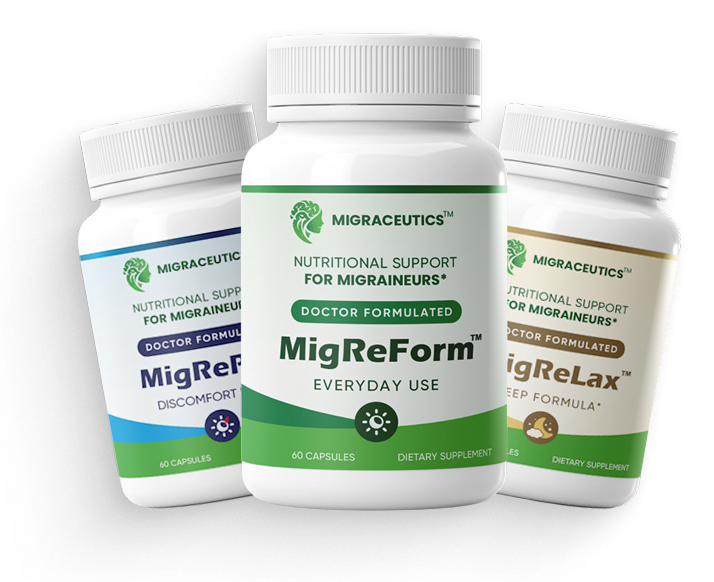
For parents who want a gentler choice, Migraceutics offers a new way to help. This system uses “migraceuticals”—special migraine focused nutrients backed by science—to keep a child’s brain healthy. The MigReForm formula gives kids a daily mix of easy-to-absorb vitamins and minerals like magnesium and zinc. These nutrients help the brain stay strong against daily triggers.
When an attack actually happens, MigRePair provides traditional herbs like feverfew to help the child feel less sick. If stress or bad sleep starts the trouble, MigReLax helps the child wind down and rest. By giving the right support at the right time, Migraceutics helps families take a proactive role in their health. This system offers a natural path that works right alongside healthy lifestyle changes.
Conclusion: Pediatric Migraine
Every child has different needs when it comes to brain health. If you focus on finding the problem early and keeping a steady routine, most kids can live active, happy lives. Combining a solid daily schedule with natural support like Migraceutics helps take the sting out of this condition. When we fix the causes and avoid the triggers, we give our children the best chance to succeed.
Migraceutics: The One and Only Migraine Phase-Specific Dietary Supplement
Migraceutics is the only phase-specific migraine supplement – supporting each stage of migraine with targeted formulas.
- Between migraines (interictal phase) and during migraines (migraine phase): MigReForm fortifies the nervous system daily
- During migraines (migraine phase): MigRePair supports symptom relief
- Menstrual migraine: MigRePair MM from Day 21 to Day 5 supports hormonal balance and symptom relief
- Additionally, MigReLax promotes restorative sleep.
Migraceutics: comprehensive, tailored relief surpassing one-size-fits-all supplements.