One-Sided Headaches: Why Your Head Hurts on Just One Side
Migraine is more than just a bad headache – it is a complex cyclical neurological condition with distinct symptomatic and asymptomatic phases, each requiring a different management approach.
By Migraceutics Editorial Team •
Reviewed by Dr. Anna Gyarmathy, PhD, MSc, MPH, NBC-HWC
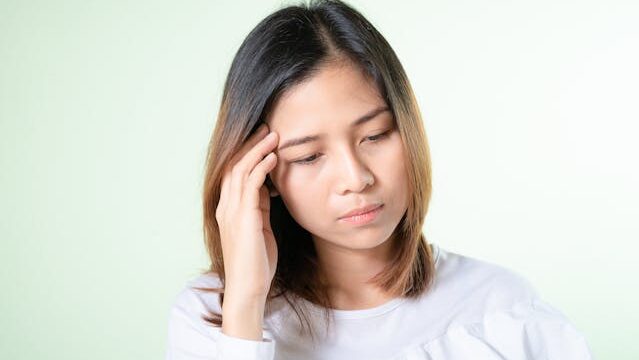
If you’ve ever felt a throbbing pain on just one side of your head – whether it’s a left side headache, pain in the right side of your head, or migraine behind one eye – you’re not alone. One-sided headaches are one of the most common neurological complaints, and they can signal different underlying causes depending on their pattern, severity, and accompanying symptoms.
Common Causes of One-Sided Headaches
- Migraines
The most common reason for one-sided head pain is a migraine headache. Migraines are typically pulsating, moderate to severe in intensity, and often accompanied by nausea and vomiting, light sensitivity, sound sensitivity, or visual disturbances. Some people experience migraine aura, such as flashing lights or tingling sensations, before the pain starts. - Cluster Headaches
These are intense headaches that usually strike behind one eye and can occur in cyclical patterns. The pain is sharp and excruciating, often accompanied by tearing, nasal congestion, or drooping of the eyelid on the affected side. - Tension-Type Headaches
While typically felt on both sides, tension headaches can sometimes localize to one side. They often feel like a tight band around the head, linked to stress, posture, or eye strain. - Sinus-Related Headaches
Inflammation or infection in the sinuses can cause pressure and pain, which may feel localized to one side of the face or head. - Cervicogenic Headaches
Originating from the neck problems, these headaches radiate upward and are often felt on one side of the head, especially near the base of the skull.
What Your Headache Location Might Be Telling You
- Left Side Headache: Often related to migraine or tension-type headache. Stress, poor posture, or skipped meals can be triggers.
- Pain in the Right Side of My Head: Could point to migraine, cluster headache, or neck-related tension.
- Migraine Behind One Eye: Classic of ocular migraine or cluster headache, often linked to vascular changes and nerve irritation.
Managing and Preventing One-Sided Headaches
The key to long-term migraine relief lies in identifying and managing migraine triggers such as:
- Hormonal fluctuations
- Irregular sleep patterns
- Dehydration
- Skipping meals
- Environmental factors like strong lights or noise
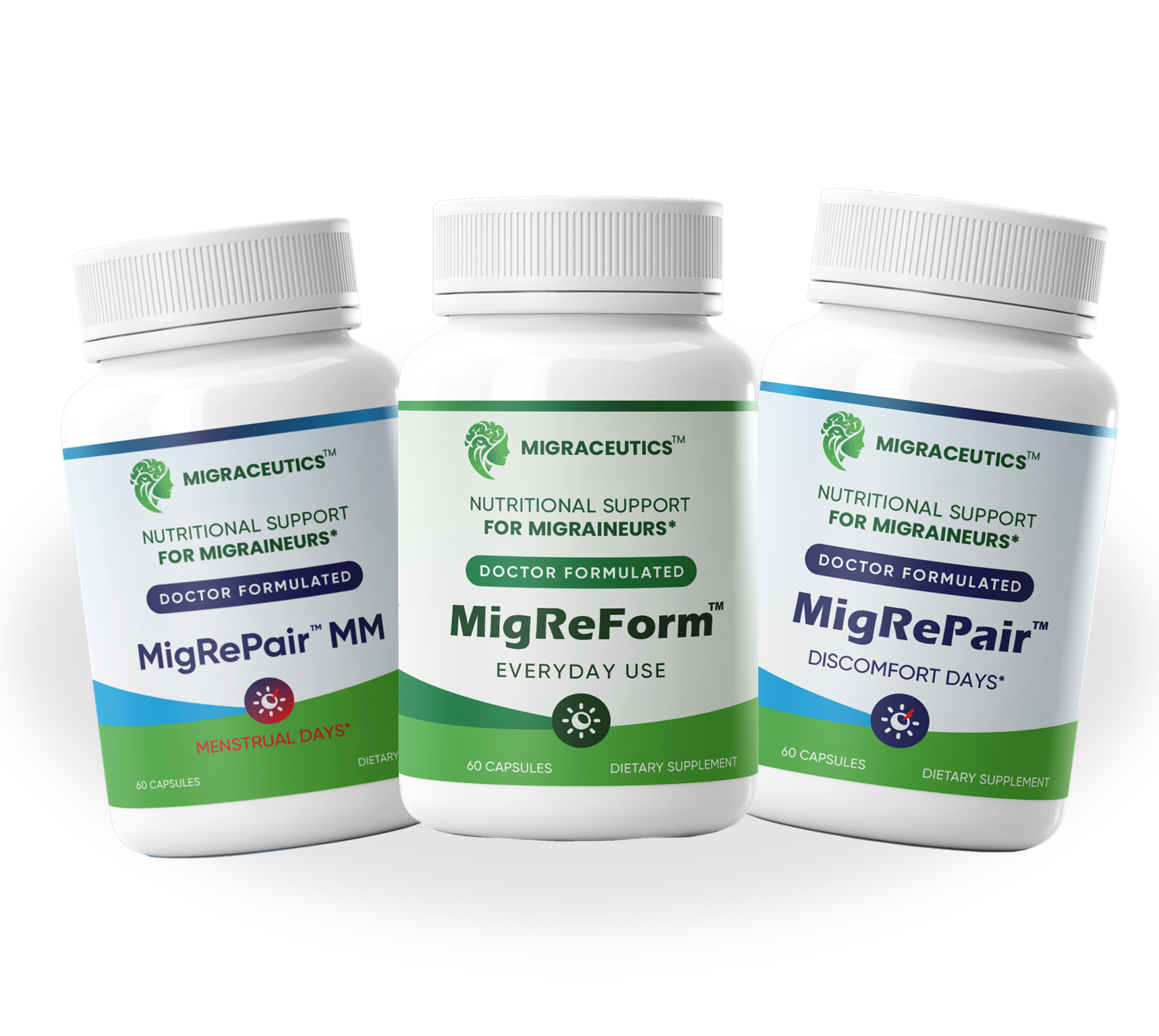
For holistic headache relief, many people benefit from natural remedies for headaches, including evidence-based migraine-specific multivitamins like MigReForm, herbal blends like MigRePair and MigRePair MM, and sleep aids like MigReLax. Relaxation techniques can also help. For some migraineurs, prescribed migraine therapies work best, while others find natural remedies effective. Some people use a combination of migraine medication and migraine relief supplements.
The Migraceutics Approach to Targeted Migraine Management
At Migraceutics, we recognize that migraines aren’t one-size-fits-all, but that migraine has different phases with different needs. Whether you experience migraine behind one eye, left or right side headaches, or chronic migraines, our research-based formulations address each migraine phase with precision:
- MigReForm — supports nervous system stability during asymptomatic and symptomatic phases.
- MigRePair — provides targeted herbal support for migraine symptom relief.
- MigRePair MM — designed for women who experience menstrual migraines, from Day 21 to Day 5 of their cycle.
- MigReLax — aids relaxation and sleep, tackling one of the most common migraine triggers, which is also a migraine symptom: poor rest.
Each formula is made with scientifically proven, safe ingredients in the right proportions to deliver effective migraine relief. Migraceutics addresses migraine phases, helping you regain control one balanced step at a time, where help is needed.
About the Reviewer – Dr. Anna Gyarmathy, PhD, MSc, MPH, NBC-HWC
Dr. Anna is a researcher, author, and founder of Migraceutics. She holds a PhD summa cum laude and advanced degrees in biomedical fields. She specializes in migraine education, nutritional interventions, and evidence-based lifestyle strategies. Her work focuses on translating scientific research into practical guidance for people living with migraine.
Migraceutics: The One and Only Migraine Phase-Specific Dietary Supplement
Migraceutics is the only phase-specific migraine supplement – supporting each stage of migraine with targeted formulas.
- Between migraines (interictal phase) and during migraines (migraine phase): MigReForm fortifies the nervous system daily
- During migraines (migraine phase): MigRePair supports symptom relief
- Menstrual migraine: MigRePair MM from Day 21 to Day 5 supports hormonal balance and symptom relief
Migraceutics: comprehensive, tailored relief surpassing one-size-fits-all supplements.